Poole Africa Link – positive offshoots: Breast cancer in Uganda
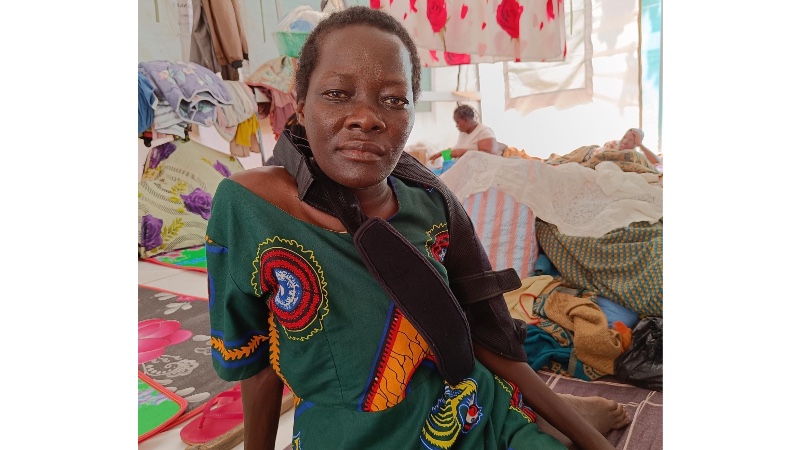
Prior to my first visit to Sub-Saharan Africa with PAL 12 years ago, I dived into my dusty tome on tropical diseases to brush up on things exotic (TB peritonitis, Chagas etc). However, the reality is that the surgical conditions are dominated by similar problems to here in Poole – trauma, hernia, and yes, to my surprise, lots of breast cancer. Quite shocked by the late presentation in such young mothers there I was curious as to the real reasons for this. Somewhat hampered by my lack of public health knowledge afters years of specialisation I did a masters course at KCL in the “new” field of global surgery. On the back of the dissertation on breast cancer in Lira (where PAL are linked with the university hospital), I applied for small charities grant with FCDO. Sitting with my pile of 60th birthday post was an innocuous envelope informing me my application was successful – so bang went the retirement plans! After a few tweaks, Poole Africa Link was passed as a charity fit for handling these government grants, and this is an important parallel direction for hospital staff involved in PAL to embrace. Pasco Hearn has a microbiology stewardship grant just awarded through PAL also.
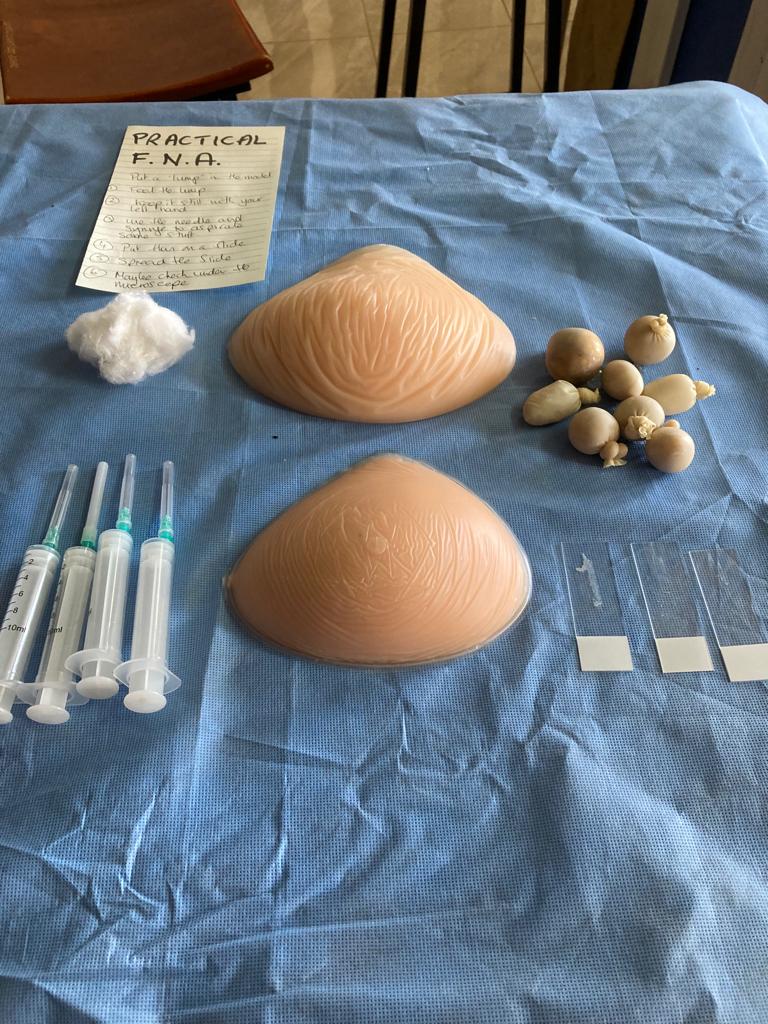
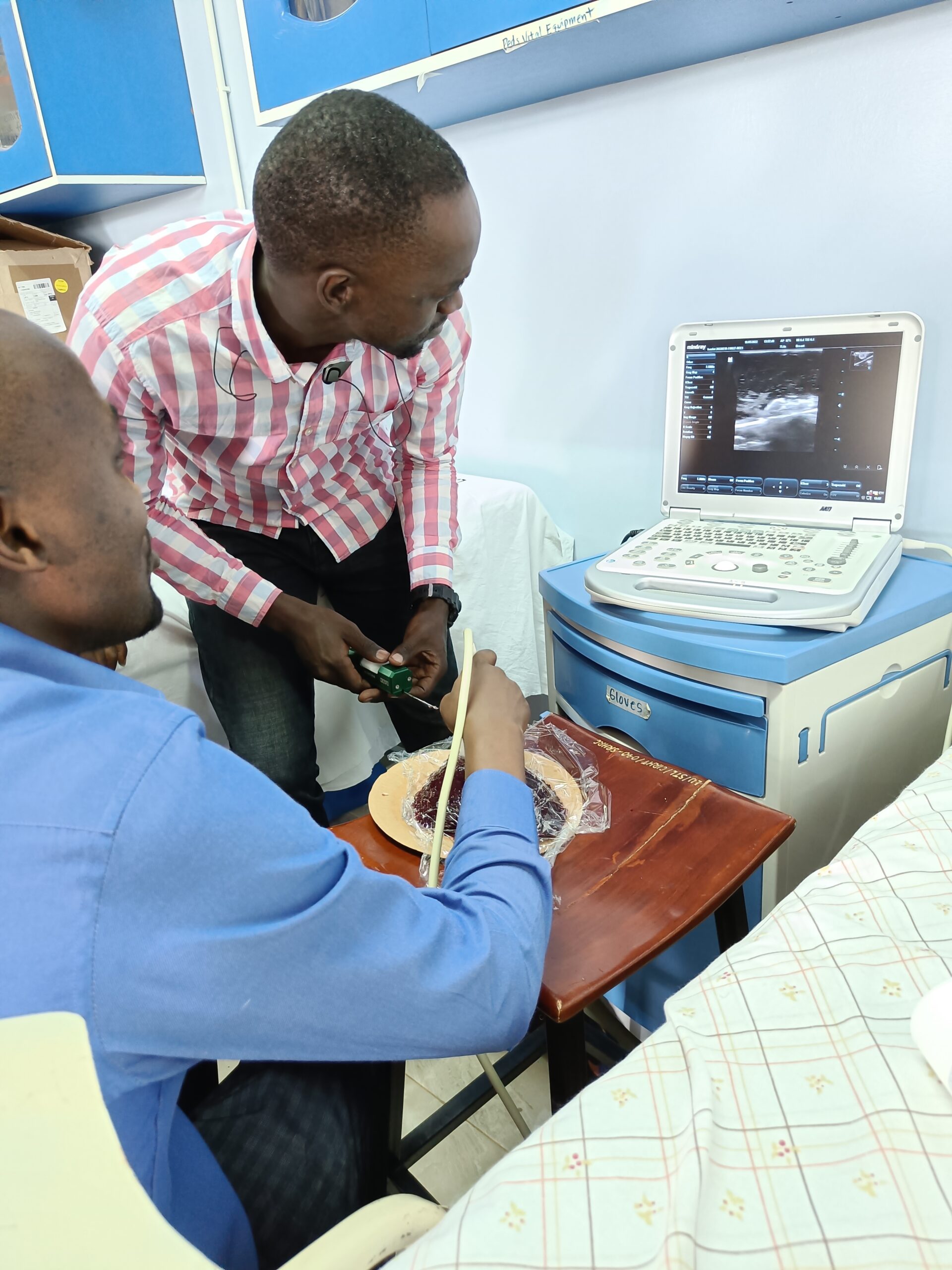
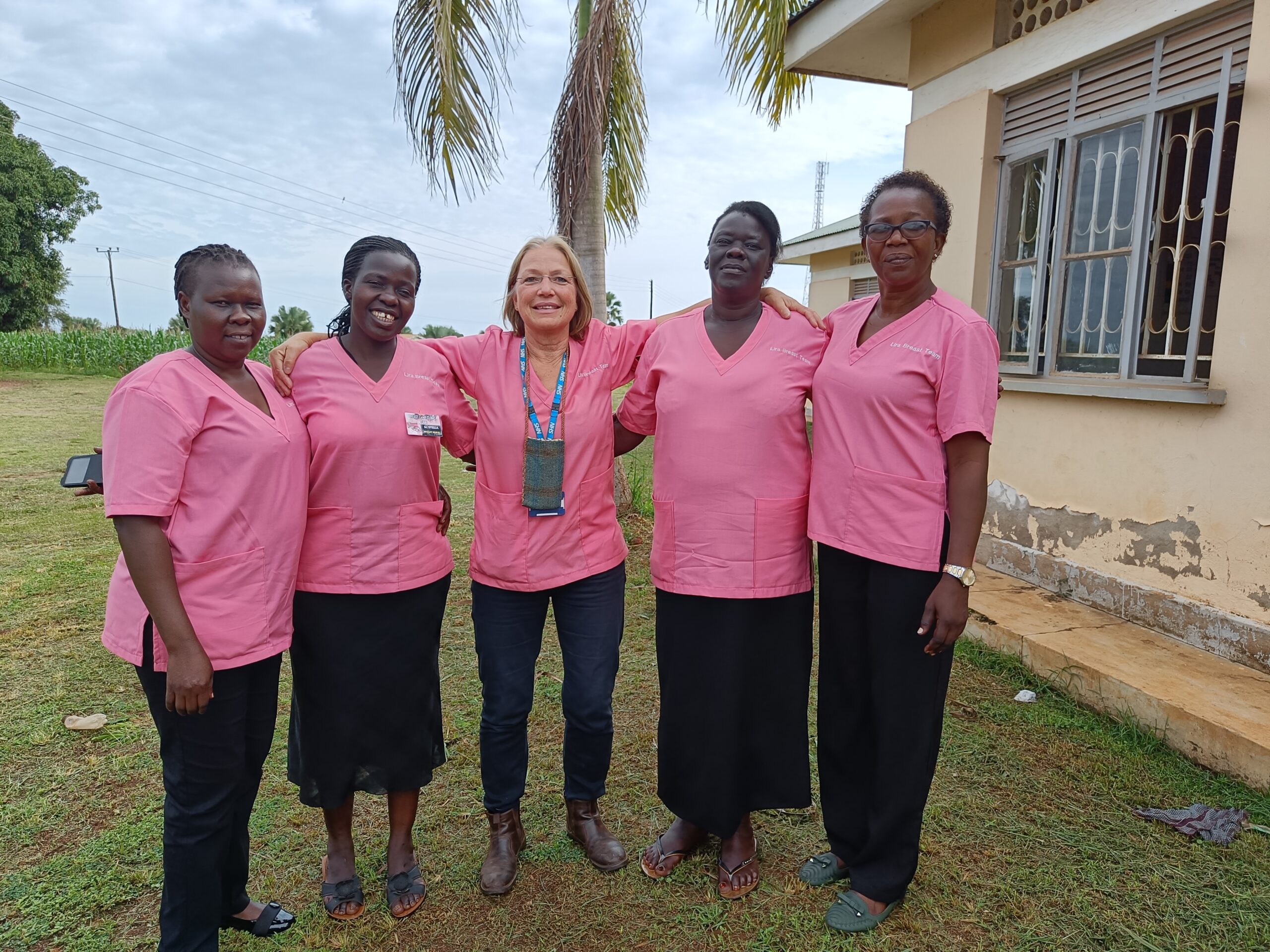
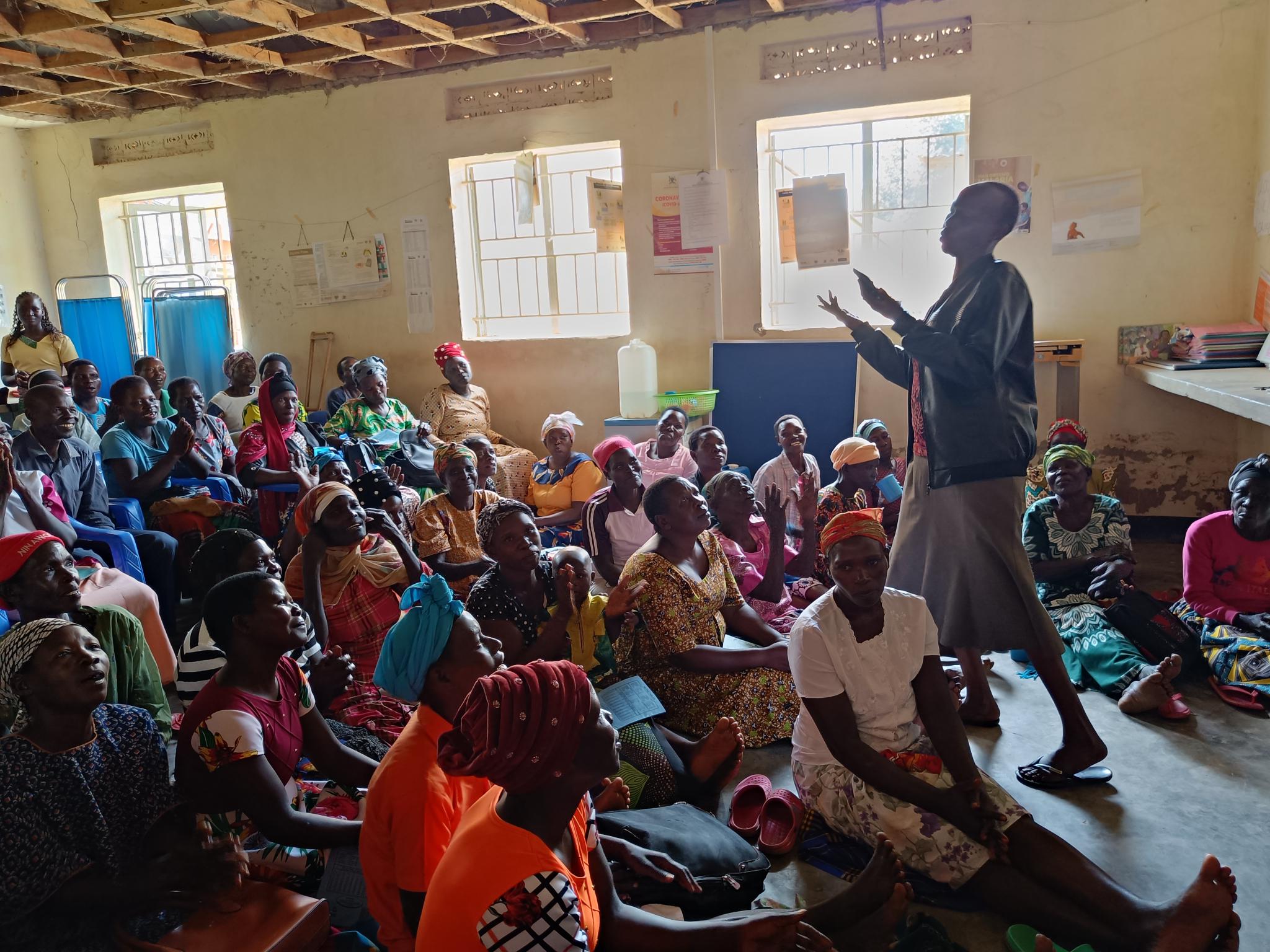
My research for the dissertation identified that rural women don’t have anyone to go to with their breast lumps, so the funding was used to train up rural midwives as breast nurses to enable them to offer triple assessment (examination, ultrasound, and cytology) for breast lumps in the community clinics. We gave them portable ultrasound machines with digital image transfer capability, and these have also strengthened the clinics enormously for other needs such as antenatal U/S.
The data shows that we have successfully set up a sustainable network to diagnose and link up women with breast cancer to the free treatment available for them in Kampala. This is provided by the Uganda Cancer Institute, run by the ministry of health. They have had problems accessing the community, so we have happily matched their work perfectly and it has been important having a good working relation with them right from the beginning.
The one remaining issue has been patient transport. There is a separate funding platform for this through “just giving” and plans are afoot to set up an internationally supported fund for oncology patients in Uganda at least partially driven through this network. We have now sent 17 breast cancers for treatment in Kampala.
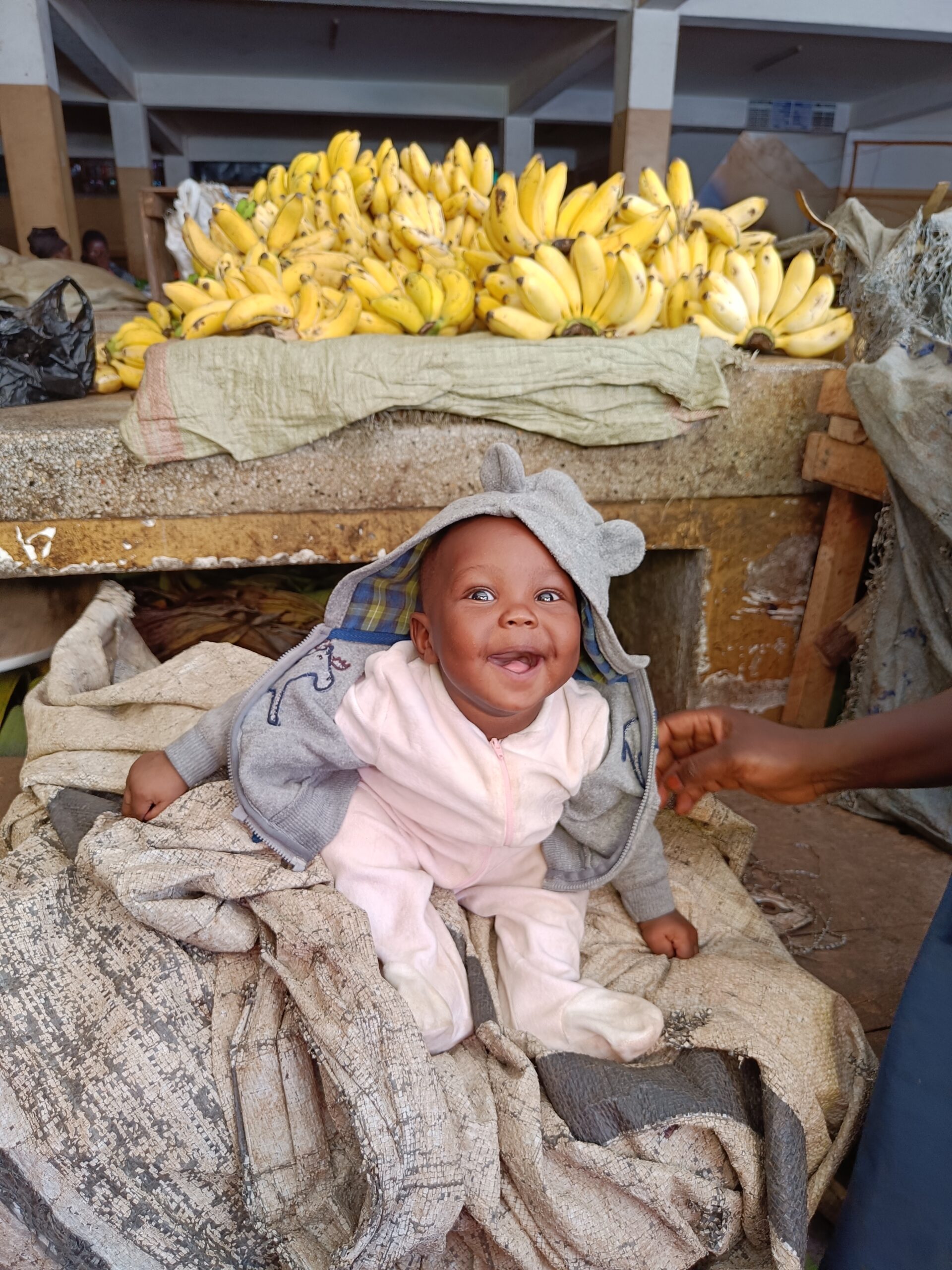
It is worth emphasising that the Lango community in Lira have been stifled by 30 years of Amin dictatorship followed by 15 years of horrific civil war with Lord’s resistant Army and are still smiling.
I have learnt so much from this initiative, and am convinced that activities through and allied with Poole Africa link nuture our professional strengths have a significant positive impact on the way we handle our NHS work we come back to.