Report Following Visit to Lira, Uganda with Poole Africa Link Oct 2022
Dr Luke Turley
Background
Although this is my first trip to Uganda with Poole Africa Link, I am fortunate enough to have spent time in the country before (2016) with a different charity. It was sad to see that a poor country had been left in a worse state since COVID hit.
This was the first trip Poole Africa Link had made to Lira since COVID, so this was always going to be a slightly different trip, as relationships had to be rebuilt after a two year absence, and there was a completely new intake of students.
Aims of trip
Before departing for Lira I came up with the following aims for the trip:
- Provide the best possible teaching I can to supplement the students university course (and not detract from it)
- Chance to improve my teaching skills, by being forced to adapt to lower-resource settings, as well as adapting teaching to be culturally appropriate
- Add to my cultural awareness by immersing myself in the local culture and community
- Working as part of a multidisciplinary team, as GP can often feel quite isolated
- Make new friends both in UK and Uganda
- Lay the groundwork for introduction of AEDs, including defib training
I am pleased that over the two weeks I was able to complete my aims as detailed below.
Educational provision
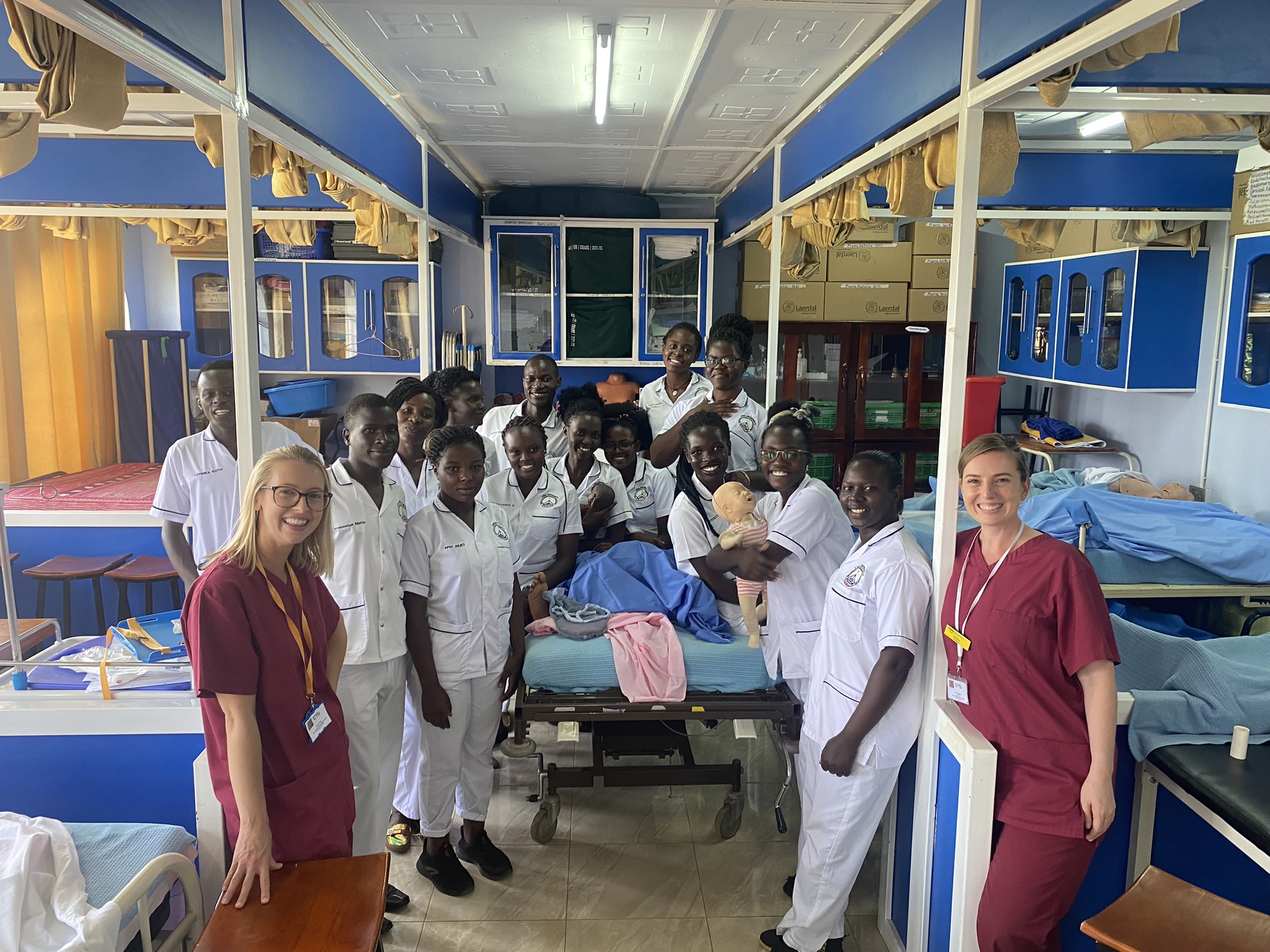
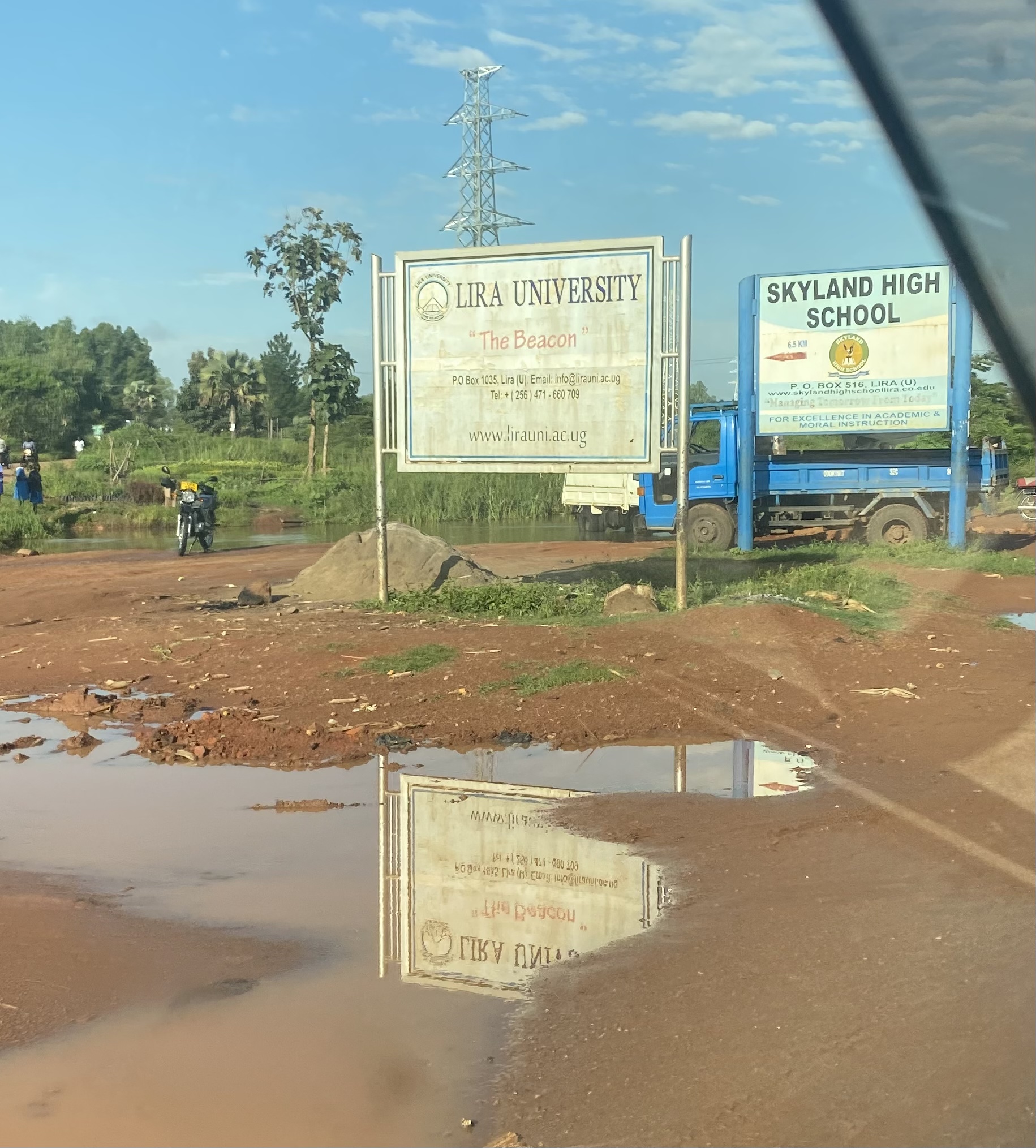
The majority of my work time in Uganda was spent in a teaching role. Over the course of the two weeks this teaching was provided for different groups of clinicians: student nurses and midwives (years 1 and 3), qualified midwives and nurse, and intern doctors at Lira University Hospital.
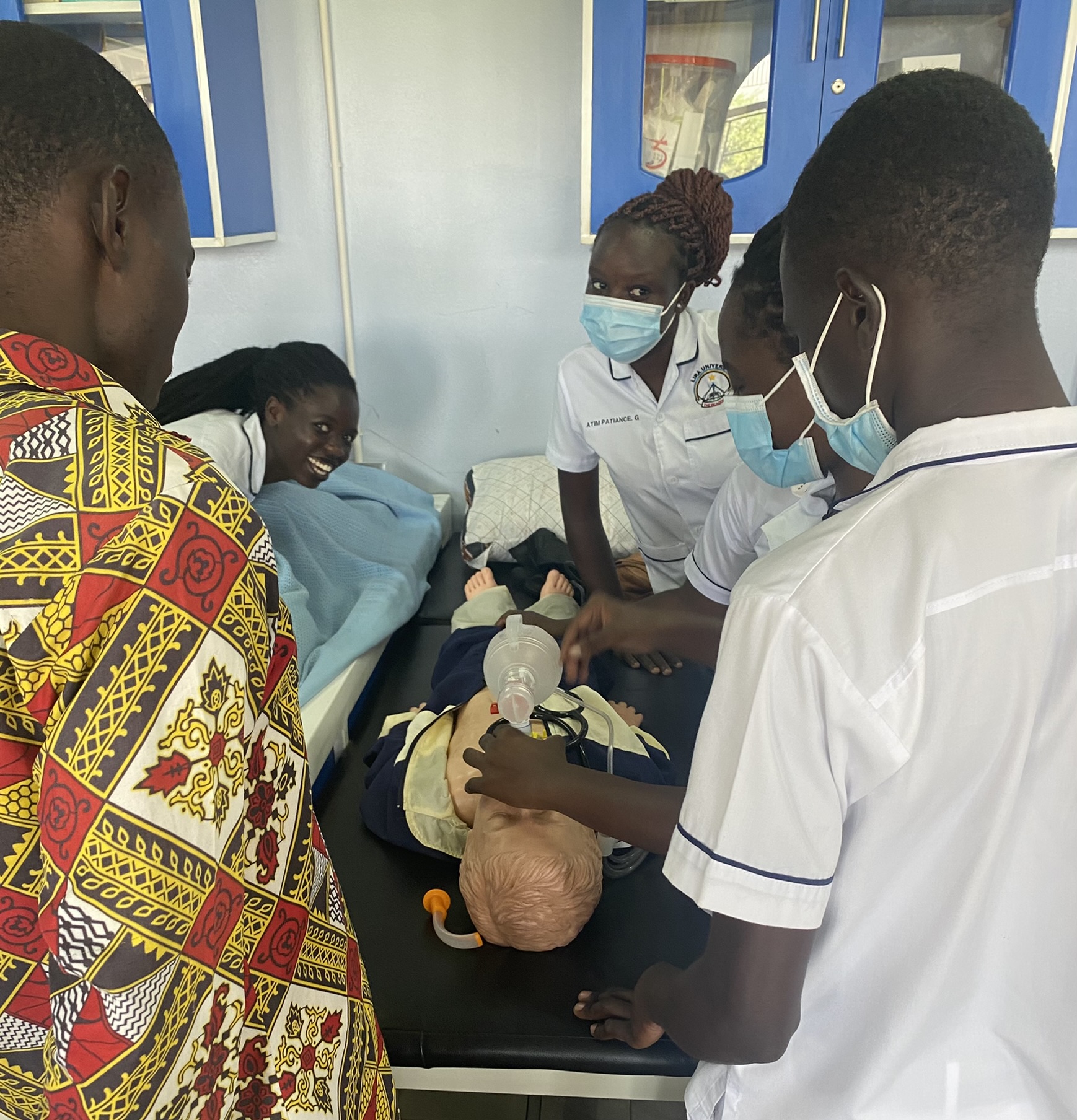
Topics taught varied with the intended audience. For the first part of week 1 the focus was mainly on 1st year Nursing and Midwifery students, over the course of three days. As those students were in the middle of their exam period there were different groups of students each day, and as such, the decision was made to give the same teaching each of the three days so that all of the different groups could benefit from the same learning.
The program for each of the three days was:
- Communication skills, including history taking and SBAR handover
- Assessment of the ill patient using the ABCDE system (incorporating early warning scores)
- Practical resus scenarios, including adult and neonatal
- HIV transmission, management and opportunistic infections
On one of the days when more midwives than nurses were present, we were also able to include Post-partum haemorrhage resus scenarios
For the last day of week 1, we were able to give an abridged version of the PTC (primary trauma course) over the course of the day. This included assessment using ABCDE, airway management, control of haemorrhage (including long-bone stabilisation), chest drains and primary and secondary surveys.
During week two, I was able to teach on different topics. The first part of the week we all taught on the PROMPT course for midwives. I gave the talk on effective teamworking, and led scenarios on assessment of the critically ill mother. I found this day particularly useful for my own learning, as the nature of my work as a remote and rural GP means that I will from time to time encounter obstetric emergencies, so this was an excellent refresher for me.
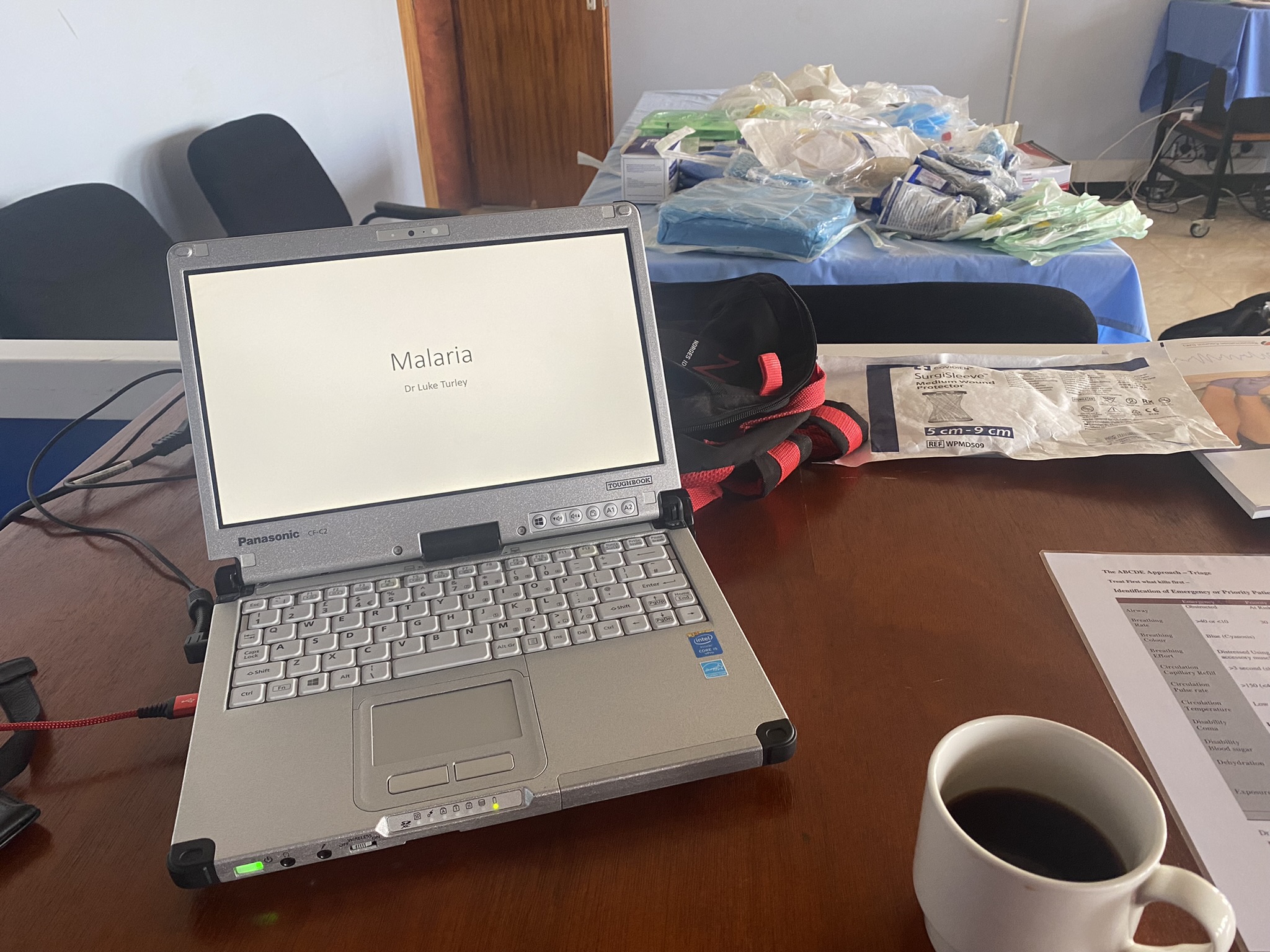
The second half of the week a colleague and I gave teaching on a variety of different topics, more based around primary care and tropical medicine, as well as paediatrics. My most popular talk of the day was case-based interactive group learning on severe and paediatric malaria (including malaria in neonates).
It is unfortunate that the time of the trip clashed with exam time for the first year nursing and midwifery students. This meant that attendance at the teaching was not as high as it could have been, but those that attended gave excellent feedback.
Uganda now has a National set curriculum for nursing training, and although our teaching methods were different to those usually encountered by the students, all found it useful and fitted in with the national curriculum.
Outreach projects
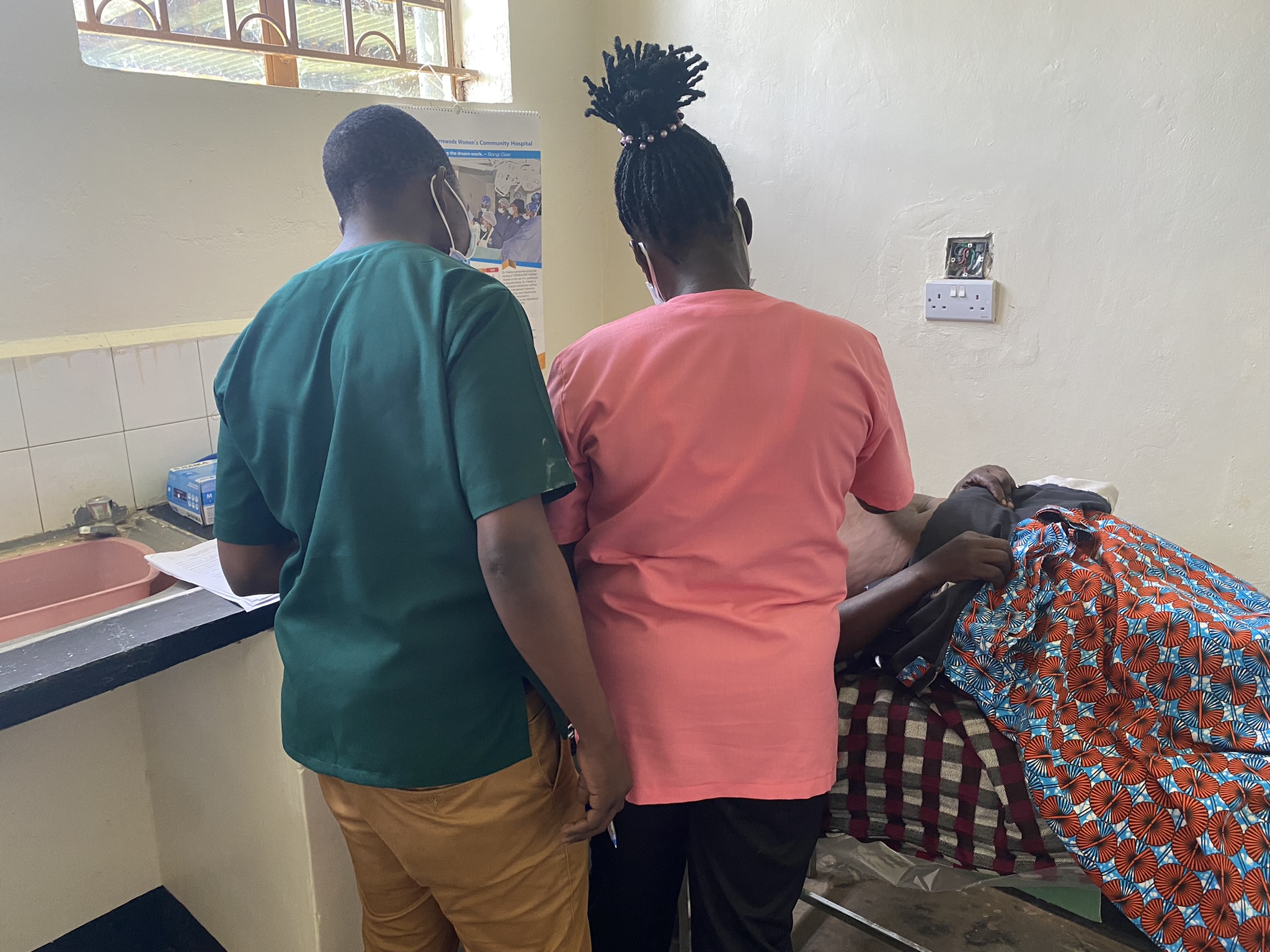
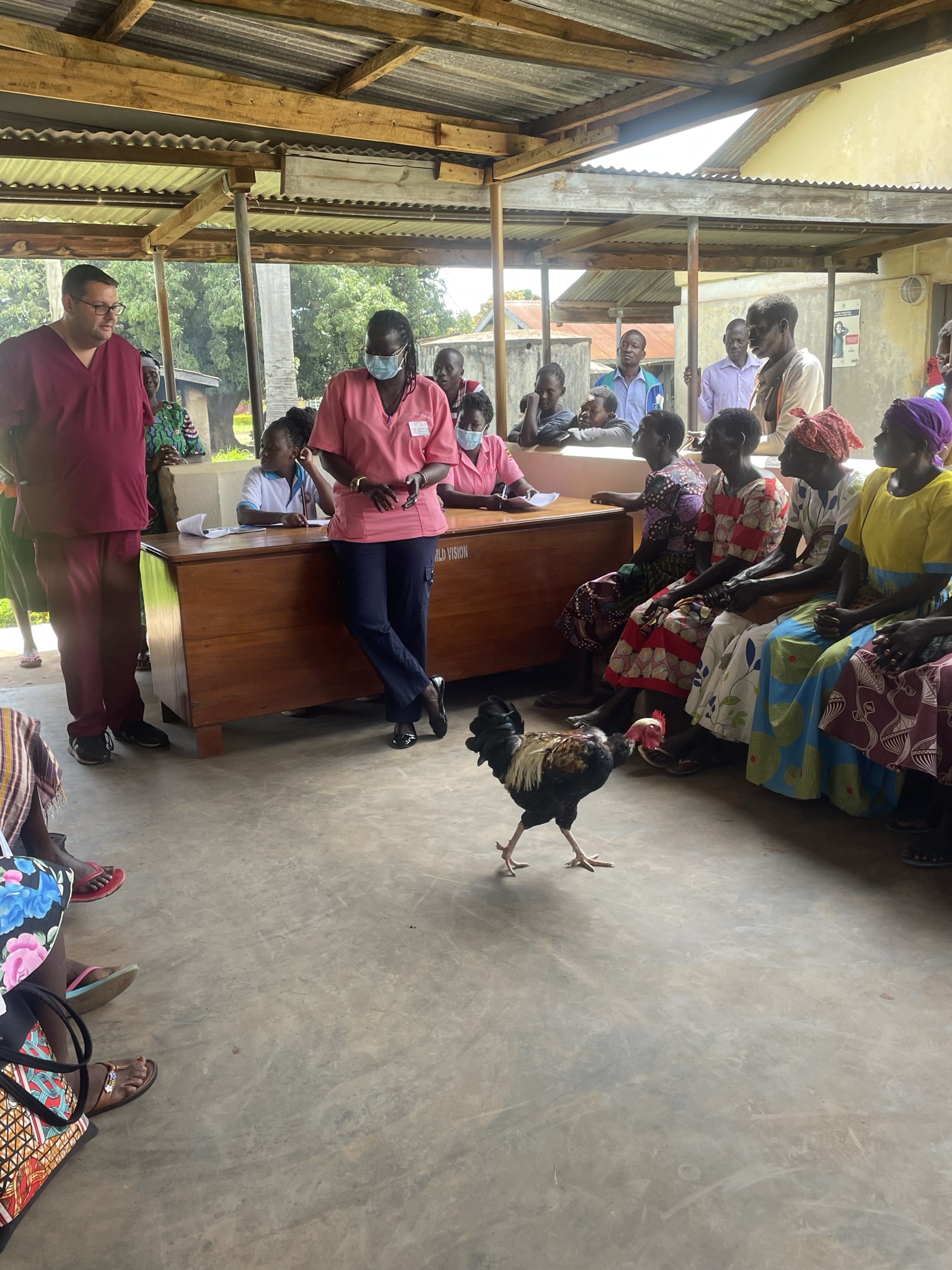
During the second week of my trip to Lira, I was fortunate enough to spend a couple of days visiting a Level 4 rural hospital in Aboki as part of a breast screening team. This provided a nice break from classroom and skills lab teaching, taking me out into a proper clinical environment. Clinic was an eye opener compared to UK outpatient clinics. No patients were seen until the hospital had welcomed us with a breakfast of chapattis and chai. This was followed by a talk to the waiting patients, both to introduce each member of the team (myself, Breast surgeon Judy Mellor and the team of nurses and radiographers that accompanied us), as well as using the opportunity to give a talk on breast care and health promotion.
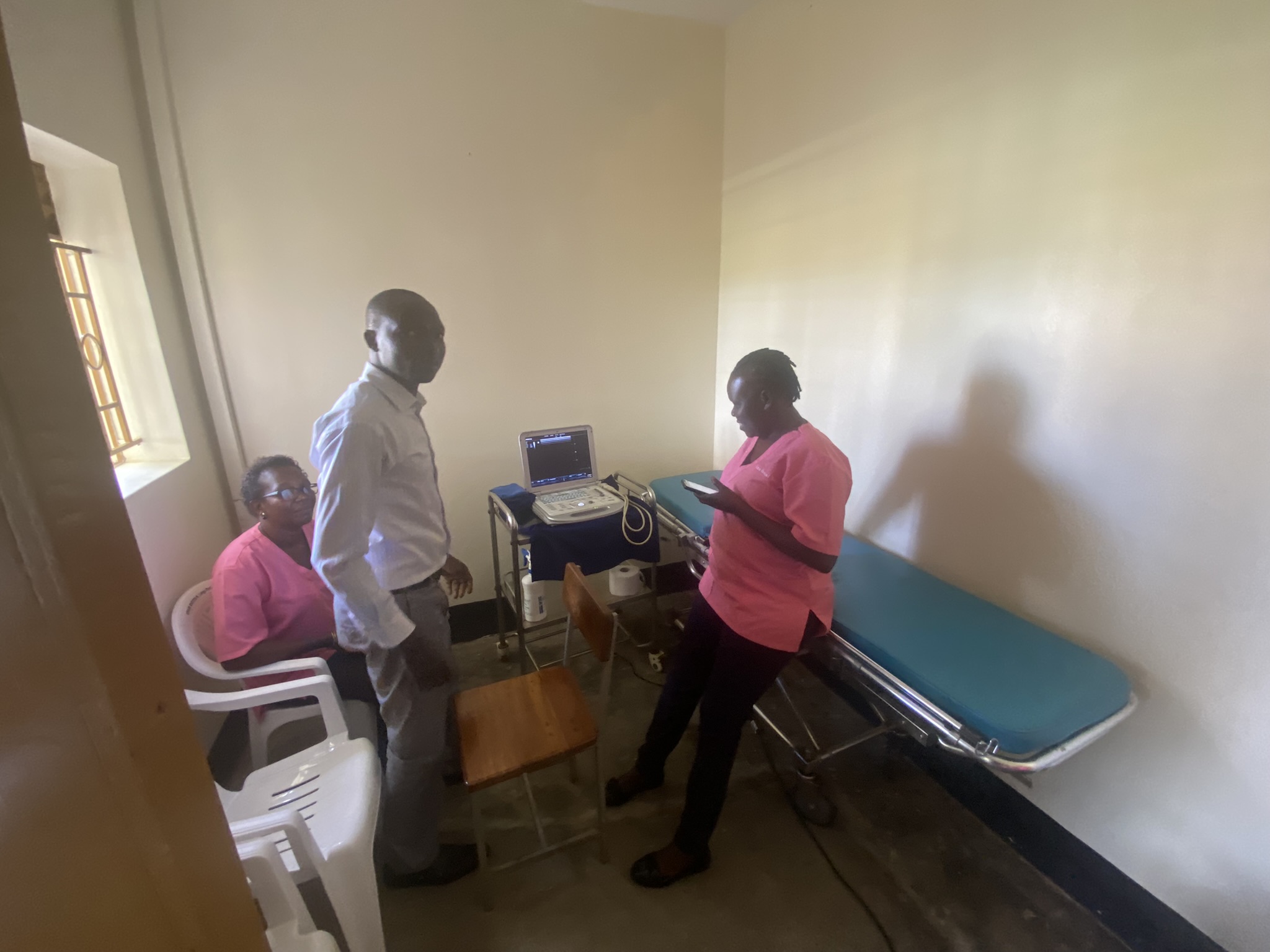
Once they started, the clinics ran quickly and smoothly, with nurses taking a history first, then each patient passed to us for ultrasound scanning using Bluetooth ultrasound probes connected to tablet computers. The majority of scans picked up either normal breast tissue, or mild mastitis in breast feeding mothers, but on occasions there was alternative pathology identified such as fluid collection.
In these instances, ultrasound guided aspiration was undertaken to drain the fluid. In most cases this was purulent fluid suggestive of abscess, so antibiotics were prescribed, but in one case aspiration revealed a large galactocele.
Over the two days around 150 patients were screened with ultrasound, but several suspicious lesions were identified, some more advanced than others. Identification of suspicious masses on scanning led to the patient being passed to Judy for either true-cut biopsy or fine needle aspiration biopsy.
Appropriate arrangements were in place for histological analysis of the biopsy samples, as well as arrangements for follow up care.
My first day at the clinic was spent observing and being trained up on ultrasound, but by day two I was able to participate in the clinic, undertaking scanning myself (under supervision of the radiographer).
Day two was, however, interrupted midway through by a call for help from theatre for and emergency caesarean for an arm presentation. The baby was delivered unconscious and critically ill. When I arrived, the midwives were successfully resuscitating the baby, so my presence was more for reassurance and advice than as an active participant in the resuscitation.
Defibrillator project
Part of my fundraising projects have been looking into the possibilities of raising sponsorship for automatic external defibrillators (AEDs) for use in the hospitals in Lira, as there are currently no such pieces of kit to allow quick, safe resuscitation. Currently, resuscitation efforts rely on basic life support techniques such as chest compression, and outdated techniques such as pre-cordial thumps.
Incidence of in-hospital cardiac arrest is significantly higher in Uganda than in the UK (2.3% off all admissions compared to 0.1% in the UK). Of those who arrested in hospital during a study in the Mulago district of Kampala only 7.4% returned to spontaneous circulation post defibrillation (53% in the UK), and only 1.6% of cardiac arrest patients survived to the 24 hour period. Reasons cited for poor survival include lack of training, access to equipment, but mostly limited post-resuscitation care.
In the cases of both the Lira Regional Referral Hospital and the Lira University Hospital, it would appear that provision of defib is something that should probably wait until HDU unit is set up to a satisfactory standard that post-arrest care can be provided. Whilst provision of a defib may save some lives, one has to take into account the effects on morbidity and long-term disability in a region with minimal social care provision. Whilst the heart may be restarted, lack of cardiac catheterisation and inotropic support could leave a patient with long term physical care needs that low income families may struggle to provide.
I would, however, stress that once appropriate HDU facilities are in place, there may then be a place for provision of AEDs, providing there was also a suitable maintenance and training package in place.
Personal development
In any trip like this, learning is a two-way experience. Volunteers can immerse themselves in the medical environment and develop new ways to approach situations when resources are scarce. Whether it was hands on clinical (such as neonatal resuscitation or breast screening) or in the classroom, every day of the trip provided new experiences and a chance to hone clinical and teaching skills.
Personally, it is a few years since I delivered a baby, and many more since I was asked to look after an obstetric emergency, so being able to sit in and present on the PROMPT course was an amazing refresher for me, and given me more confidence should I face a difficult obstetric situation in the future.
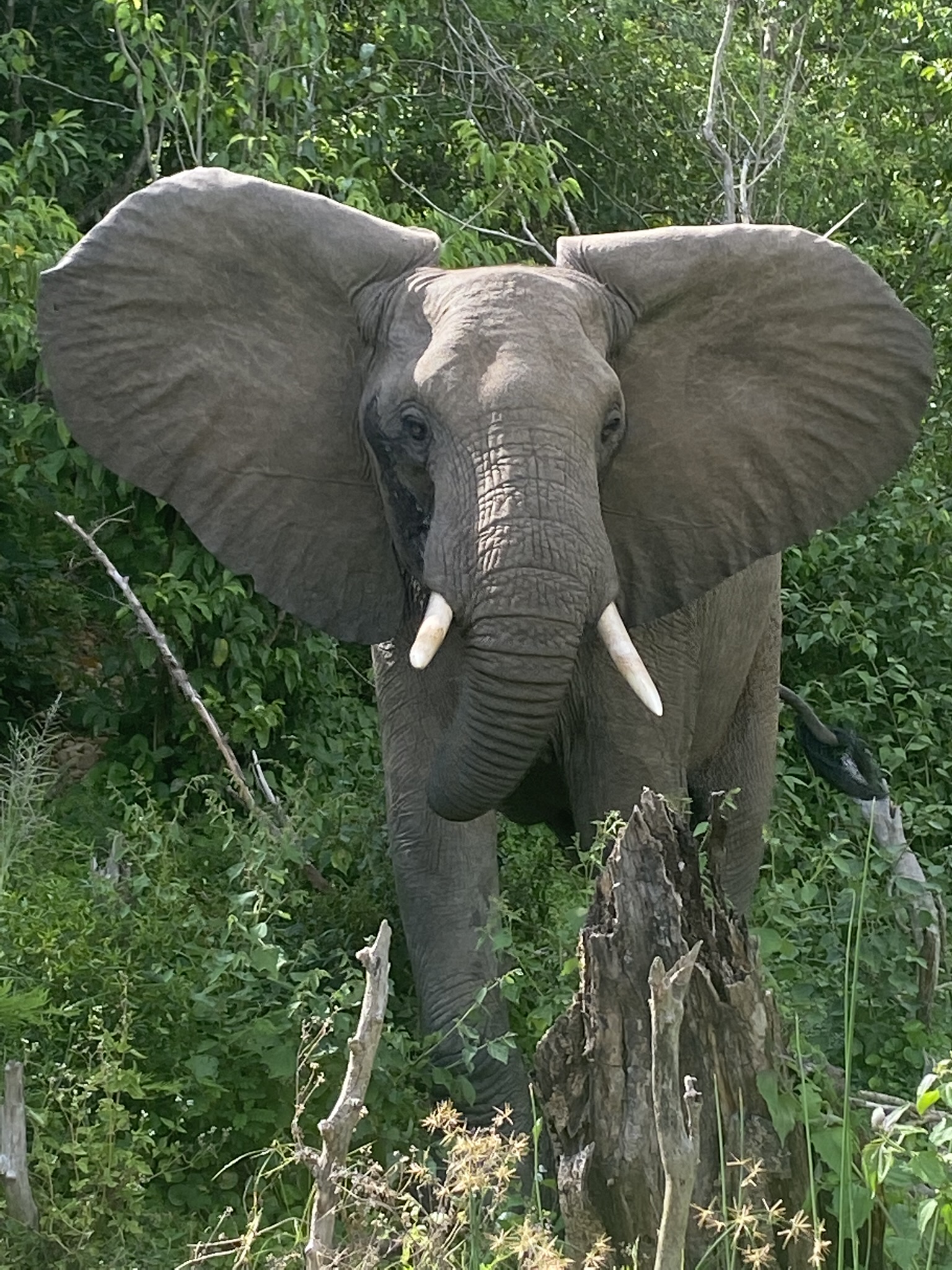
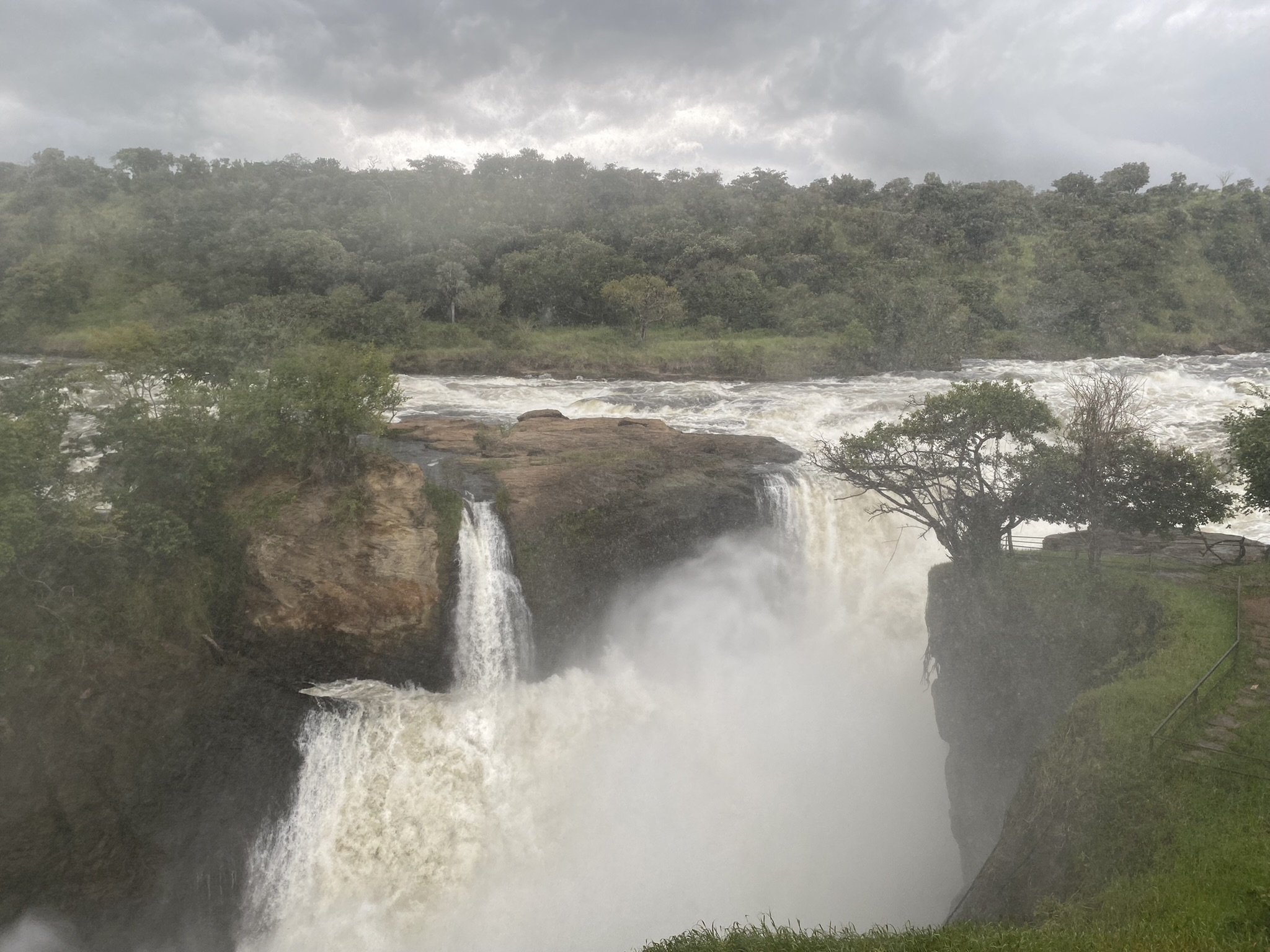
Down time is vitally important on a trip like this, otherwise culture shock can be overwhelming. Even if you have spent time in low income countries in the past, the effects of covid just magnified the levels of poverty seen. For any NGO worker this can be difficult, so ensuring appropriate rest time is essential, be that just sat at the bar decompressing after a difficult day, or doing something “touristy”. Over one weekend, we were lucky enough to be able to spend time at Murchison Falls National Park, visiting the waterfall and animal reserve. After the agriculture and hydroelectric industries, tourism provides a major part of Uganda’s GDP. This almost completely disappeared during the COVID years and was only just starting to recover this year before the outbreak of ebola, so visiting areas like this and supporting the tourist industry is as important as the clinical teaching as it provides vital income to local communities.
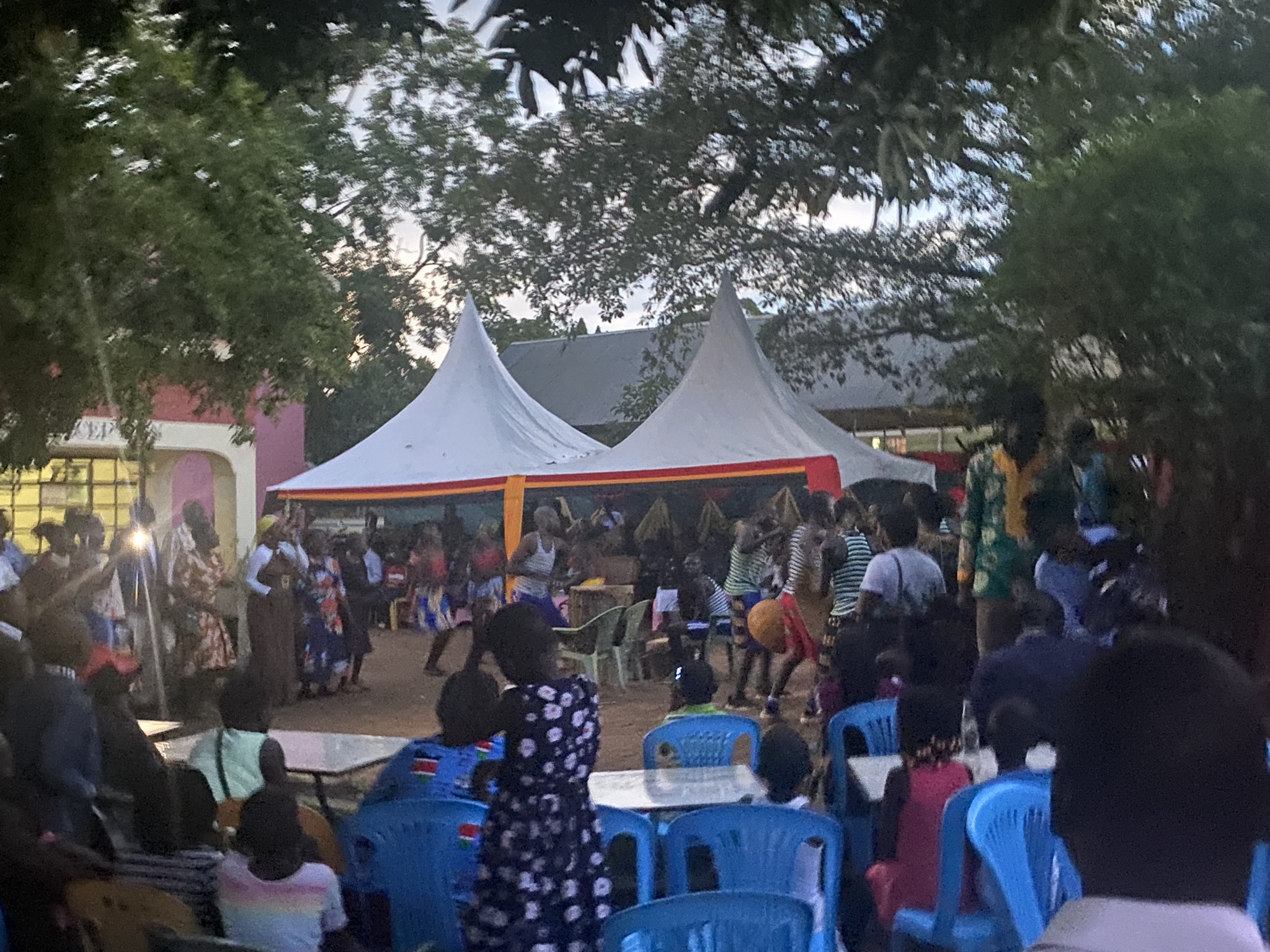
By complete coincidence, the timing of our trip coincided with the 60th Anniversary of Ugandan Independence. As such, we were able to attend an Independence Day party. Traditional food (goat, chicken, rice, beans and plantain) was served, and there was an afternoon of dancing and drumming.
References